


When it comes to pricing African risks, what matters most: Actual loss experience or the assumptions made about it?
In insurance and reinsurance, pricing depends on the ability to assess risk using reliable information. Where historical data is genuinely limited, a cautious approach is understandable. But when relevant data exists and is not collected, documented or shared with the market, assumptions can continue to drive pricing. Even when actual performance tells a different story.
This was the central argument put forward by Ayouba Seydou, OLEA Group Placement & Reinsurance Director, at the Global Africa Summit in Charlotte, during the panel discussion From Vision to Execution. The event also marked his first participation as a member of the Advisory Board of the Africa Investment Network (AIN).
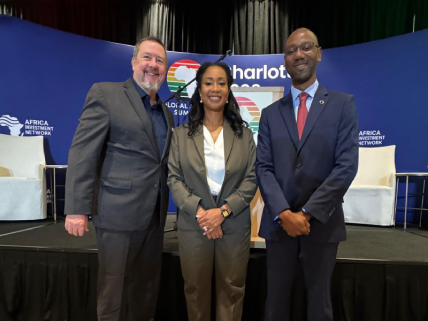
When the evidence does not reach the market
One example discussed during the summit illustrated the issue: A decade of African infrastructure lending with no recorded defaults. If properly documented and made accessible, such a track record can contribute to a more informed assessment of risk.
The challenge is that evidence does not automatically translate into better pricing. Loss histories must be consistently recorded, project performance monitored over time and information shared with the institutions responsible for assessing and underwriting risks. Long-term relationships with local partners also play an important role in building reliable track records.
Without this groundwork, underwriters may continue to price uncertainty rather than actual experience. The result can be a disconnect between the risk itself and the terms offered by the insurance and reinsurance markets.
The role of placement and reinsurance
Bridging this gap requires more than simply making data available. It also requires the ability to interpret it, provide the right context and present risks in a way that international markets can accurately assess. This is where insurance placement and reinsurance expertise become particularly important. By combining knowledge of local markets with a clear understanding of international underwriting expectations, brokers can help ensure that the characteristics and actual performance of African risks are properly represented during placement discussions.
For Ayouba Seydou, this is an important part of the broader conversation about how African risks are perceived and priced. Better documentation, stronger evidence and more effective communication with international markets can all contribute to more informed underwriting decisions.
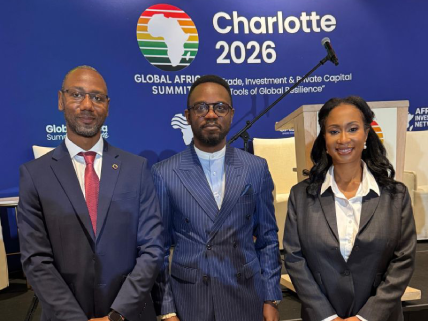
Changing the way African risk is understood
The discussions in Charlotte also raised broader questions about the assumptions behind investment decisions. In her keynote address, Dr Rachel Laryea challenged participants to consider the perspectives and underlying assumptions that shape how capital is allocated. Her closing question was particularly thought-provoking: On whose terms?
It was a reminder that the assessment of African markets is not purely technical. The information considered, the assumptions applied and the perspectives represented, all influence the decisions made.
Through its placement and reinsurance activities across Africa, OLEA contributes to connecting local market realities with international insurance and reinsurance capacity. Its role is also to ensure that the risks presented to these markets are supported by relevant information, local expertise and a clear understanding of their specific characteristics.
Because African risks deserve to be assessed on the strength of the evidence, not simply on the assumptions surrounding them.